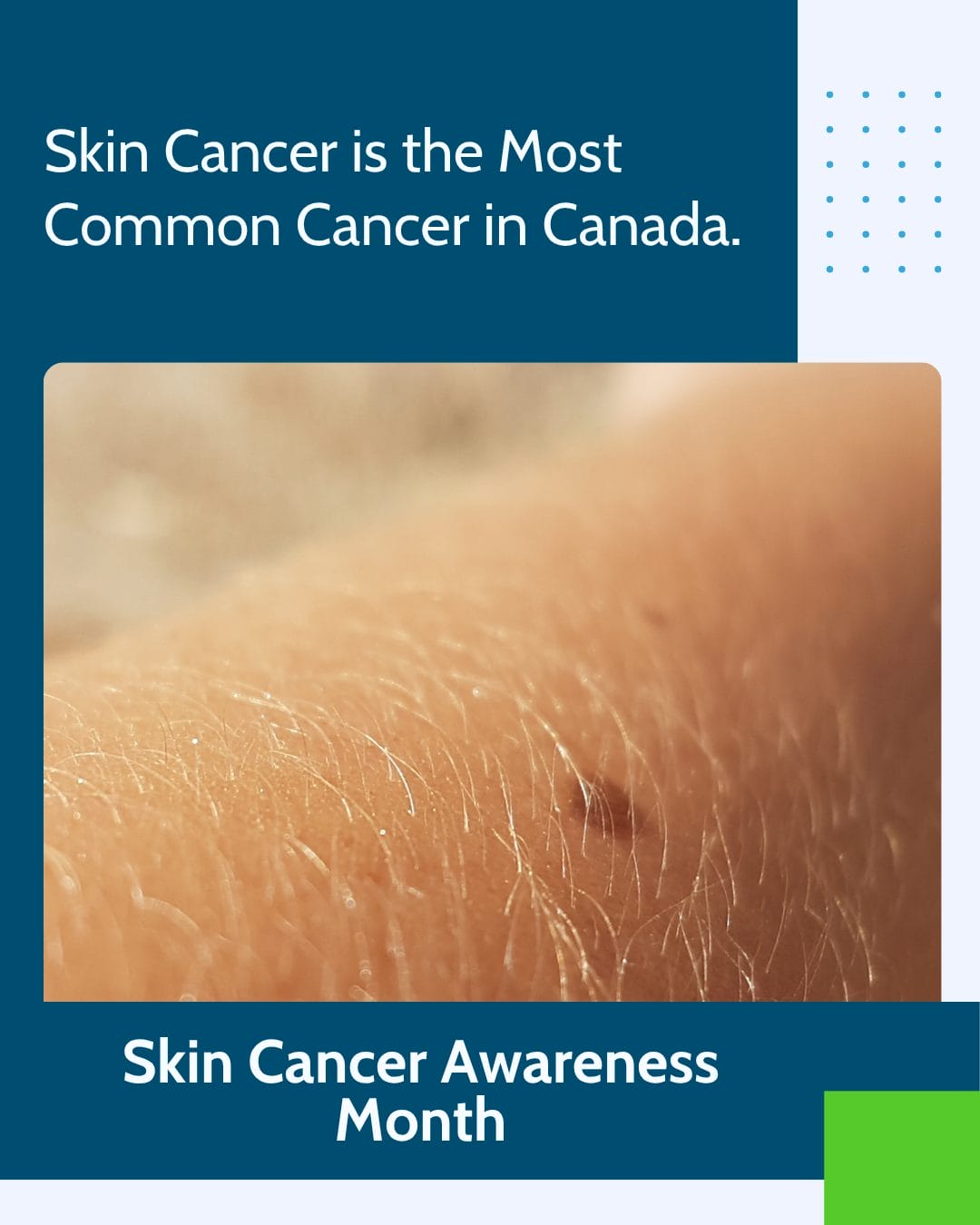
May is Skin Cancer Awareness Month, and Canadians are right to pay attention. Skin cancer is the most common cancer in Canada. Melanoma, its most dangerous form, kills more Canadians each year than any other cancer in the 15 to 29 age group. And yet, skin cancer is also among the most preventable cancers we know of.
At Centrum Pharmacy, sun safety is not just a seasonal reminder. For many of our patients, it is an active clinical concern, because a significant number of commonly prescribed medications can dramatically increase the skin’s sensitivity to UV radiation. This is a risk most patients are never told about.
What Is Medication-Induced Photosensitivity?
Photosensitivity is a heightened reaction of the skin to sunlight, specifically UV radiation, caused by certain medications. There are two types: phototoxicity, which causes sunburn-like reactions even with brief sun exposure, and photoallergy, which triggers an immune response in sun-exposed areas.
Both can cause significant harm, including severe burns, blistering, long-term skin damage, and increased cancer risk with repeated exposure. And both are preventable with the right information.
The problem is that patients are often not adequately counselled about this risk when a new medication is prescribed or dispensed.
Common Medications That Increase Sun Sensitivity
The list of photosensitizing medications is long and includes drug classes that many Canadians take every day:
Antibiotics. Tetracyclines (including doxycycline, widely used for acne and Lyme disease prevention), fluoroquinolones (ciprofloxacin, levofloxacin), and sulfonamides are among the most common photosensitizing antibiotics. Patients taking doxycycline for travel or acne, in particular, are often spending time outdoors without knowing their burn risk has increased significantly.
Diuretics and Blood Pressure Medications. Hydrochlorothiazide, a very commonly prescribed diuretic, is associated with an elevated risk of skin damage and has been linked in recent studies to increased squamous cell carcinoma risk with long-term use. ACE inhibitors and certain calcium channel blockers also carry photosensitivity risk.
Antidepressants and Antipsychotics. Several SSRIs and many antipsychotic medications increase UV sensitivity. Patients managing mental health conditions who are encouraged to spend time outdoors for mood and wellbeing benefits need to be especially sun-aware.
Non-Steroidal Anti-Inflammatory Drugs (NSAIDs). Ibuprofen, naproxen, and ketoprofen can cause phototoxic reactions in some patients.
Retinoids and Acne Medications. Isotretinoin (Accutane) and topical retinoids significantly thin and sensitize the skin. Patients on these medications need to be on strict sun avoidance and SPF protocols.
Statins. Some cholesterol-lowering medications carry mild photosensitivity risk, particularly with extended exposure.
Certain Herbal Supplements. St. John’s Wort, commonly used for mood support, is a well-documented photosensitizer that many patients do not think of as a “medication.”
This is not a complete list. If you are unsure whether your medications affect your sun sensitivity, the most important thing you can do is ask your pharmacist.
What Your Centrum Pharmacist Can Do
This is one of the most practical and often overlooked areas of pharmacist clinical practice. When you pick up a prescription at Centrum, our team reviews your full medication list and can identify photosensitivity risks you may not be aware of. Here is what that counselling looks like in practice:
Identifying your risk level.
Not all photosensitizing medications carry equal risk. Some are mild, while others significantly elevate the chance of a serious reaction. We assess the specific medications you are taking and how they interact with each other.
Recommending appropriate sun protection.
For patients on high-risk medications, we recommend SPF 50 or higher, broad-spectrum (UVA and UVB) coverage, reapplication every two hours during outdoor exposure, and protective clothing. For some medications, we recommend avoiding peak sun hours entirely.
Explaining what to watch for.
Unusual burns, rashes in sun-exposed areas, or skin changes that don’t resolve deserve medical attention. We help patients understand what a photosensitive reaction looks like and when to follow up.
Choosing the Right Sunscreen: What the Labels Mean
The sunscreen aisle can be overwhelming. Here is a practical breakdown:
SPF (Sun Protection Factor) measures protection against UVB rays, which cause sunburn. SPF 30 blocks approximately 97% of UVB rays. SPF 50 blocks approximately 98%. For patients on photosensitizing medications or with fair skin, SPF 50 is the appropriate minimum.
Broad Spectrum means the product also protects against UVA rays, which penetrate more deeply and are the primary driver of premature aging and skin cancer. Always choose broad spectrum.
Mineral vs. chemical. Mineral sunscreens (zinc oxide, titanium dioxide) sit on top of the skin and reflect UV rays. Chemical sunscreens absorb UV and convert it to heat. Both are effective. Mineral sunscreens are often better tolerated by patients with sensitive skin or those on medications that cause skin reactivity.
Water Resistant does not mean waterproof. Reapplication after swimming or sweating is still required.
Your Centrum pharmacist can help you select the right product for your skin type, your medication list, and your activity level.
Know Your Skin: The ABCDE Rule
In addition to prevention, early detection saves lives. The ABCDE rule is the standard self-examination guide for identifying suspicious moles or lesions:
A, Asymmetry. One half of a mole does not match the other.
B, Border. Edges are irregular, ragged, or blurred.
C, Color. Uneven color with shades of brown, black, red, white, or blue.
D, Diameter. Larger than 6mm, roughly the size of a pencil eraser, though melanomas can be smaller.
E, Evolution. Any change in size, shape, color, or new symptoms such as bleeding or itching.
If you notice any of these signs, see your physician. Early detection of melanoma dramatically improves outcomes.
The Broader Cancer Prevention Picture
Skin cancer does not exist in isolation from other lifestyle risk factors. We have written about the evidence linking alcohol to cancer risk across multiple cancer types, including skin cancer. And if you want to understand how physical activity actively reduces cancer risk, our post How Exercise Prevents Cancer is a worthwhile read.
Prevention is cumulative. Sun protection is one layer. Lifestyle is another. And having a pharmacist who knows your full medication picture is a third layer most Canadians do not yet have.
Centrum Pharmacy: Complete, Comprehensive, Caring, and Connected Care
This Skin Cancer Awareness Month, we encourage every patient to ask their pharmacist one question: does anything I’m taking affect how my skin reacts to the sun?
That conversation takes two minutes and could matter significantly over a lifetime of sun exposure.
Come for the Convenience, Stay for the Service. Caring for Your Family Since 1999.
Visit centrumpharmacy.com or speak with our team in person.
Stay Connected with Centrum Pharmacy!
If you found this article helpful, don’t forget to like, share, and Follow to stay up to date on our latest health tips, pharmacy updates, and wellness advice.
Come for the Convenience, Stay for the Service.
Caring for Your Family Since 1999
Disclaimer: The medical information on this site is provided as an information resource only and is not to be used or relied on for any diagnostic or treatment purposes. This information does not substitute for professional diagnosis and treatment. Please do not initiate, modify, or discontinue any treatment, medication, or supplement solely based on this information. Always seek the advice of your healthcare provider first. Full Disclaimer.