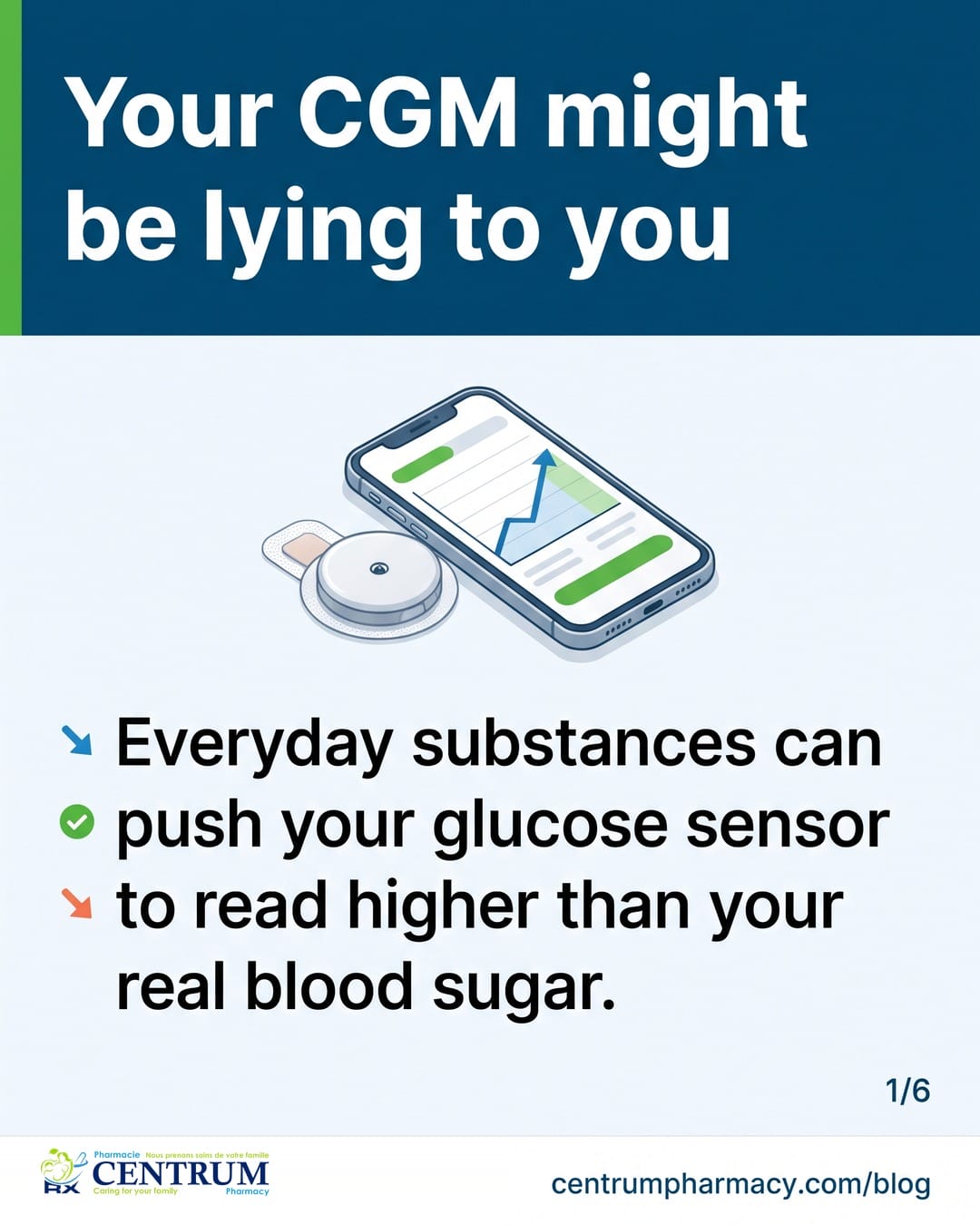
For many living with diabetes, Continuous Glucose Monitoring (CGM) systems like the FreeStyle Libre 2 and Dexcom G6 have been life-changing. These devices provide real-time data, reducing the need for frequent finger-prick tests and allowing for more precise insulin management. However, recent research published in the journal Sensors suggests that common daily habits—such as taking a vitamin C supplement or enjoying a glass of red wine—could be causing your sensor to report inaccurately high readings.
The Science Behind the Interference
CGM sensors typically rely on an enzymatic reaction involving glucose oxidase. The sensor detects glucose by breaking it down via electrodes, which generates an electrical signal translated into a glucose reading.
According to study author Dr. Andreas Pfützner, certain substances can interfere with this chemical process. Because the sensor is looking for electrons produced during the destruction of glucose, other compounds that react with the enzyme can “trick” the sensor into thinking there is more sugar in your system than there actually is.
Key Findings: What Substances Matter?
The study conducted lab tests (in vitro) on two of the most popular systems used by Canadians. The researchers identified several common substances that caused significant deviations from actual glucose levels:
- Vitamin C (Ascorbic Acid): This was one of the most notable interferences. In the FreeStyle Libre 2, vitamin C caused readings to appear up to 48% higher than the baseline.
- Alcohol: Red wine was found to cause a 12% increase in Libre 2 readings, while “high spirits” (ethyl alcohol) caused a 12% increase in Dexcom G6 readings.
- Common Medications: Ibuprofen caused a 14% increase and methyldopa (a blood pressure medication) caused a 16% increase in certain sensors.
- Other Factors: Uric acid and specific sugars like galactose and mannose also led to skewed results.
The Safety Risk: The Danger of “False Highs”
The primary concern for patients and clinicians is not just a messy data log—it is the risk of iatrogenic hypoglycemia.
If a sensor reports a glucose level of 250 mg/dL due to vitamin C interference, but your actual blood glucose is 100 mg/dL, injecting a correction dose of insulin based on that “false high” could drop your blood sugar to dangerously low levels. This risk is amplified for patients using automated insulin delivery systems, where the pump makes dosing decisions automatically based on sensor data without a manual safeguard.
Centrum Pharmacy’s Recommendations
While this study was conducted in a laboratory setting and more clinical trials are needed to see how these substances behave in the human body, the potential for error is significant enough to warrant caution.
- Verify Before You Act: If you see a reading that doesn’t match how you feel—especially after taking supplements or consuming alcohol—perform a traditional finger-prick blood glucose test before administering insulin.
- Review Your Supplements: If you take high doses of Vitamin C (ascorbic acid) for immune support, discuss this with your pharmacist or diabetes care team to see if it aligns with your specific CGM model.
- Monitor Timing: Be aware of “unexplained” spikes that occur shortly after taking medications or supplements.
At Centrum Pharmacy, we are committed to ensuring you have the most accurate information to manage your health safely. If you have questions about your CGM or how your medications might be affecting your readings, come speak with our pharmacy team.
Stay Connected with Centrum Pharmacy!
If you found this article helpful, don’t forget to like, share, and Follow to stay up to date on our latest health tips, pharmacy updates, and wellness advice.
Come for the Convenience, Stay for the Service.
Caring for Your Family Since 1999
Disclaimer: The medical information on this site is provided as an information resource only and is not to be used or relied on for any diagnostic or treatment purposes. This information does not substitute for professional diagnosis and treatment. Please do not initiate, modify, or discontinue any treatment, medication, or supplement solely based on this information. Always seek the advice of your healthcare provider first. Full Disclaimer.