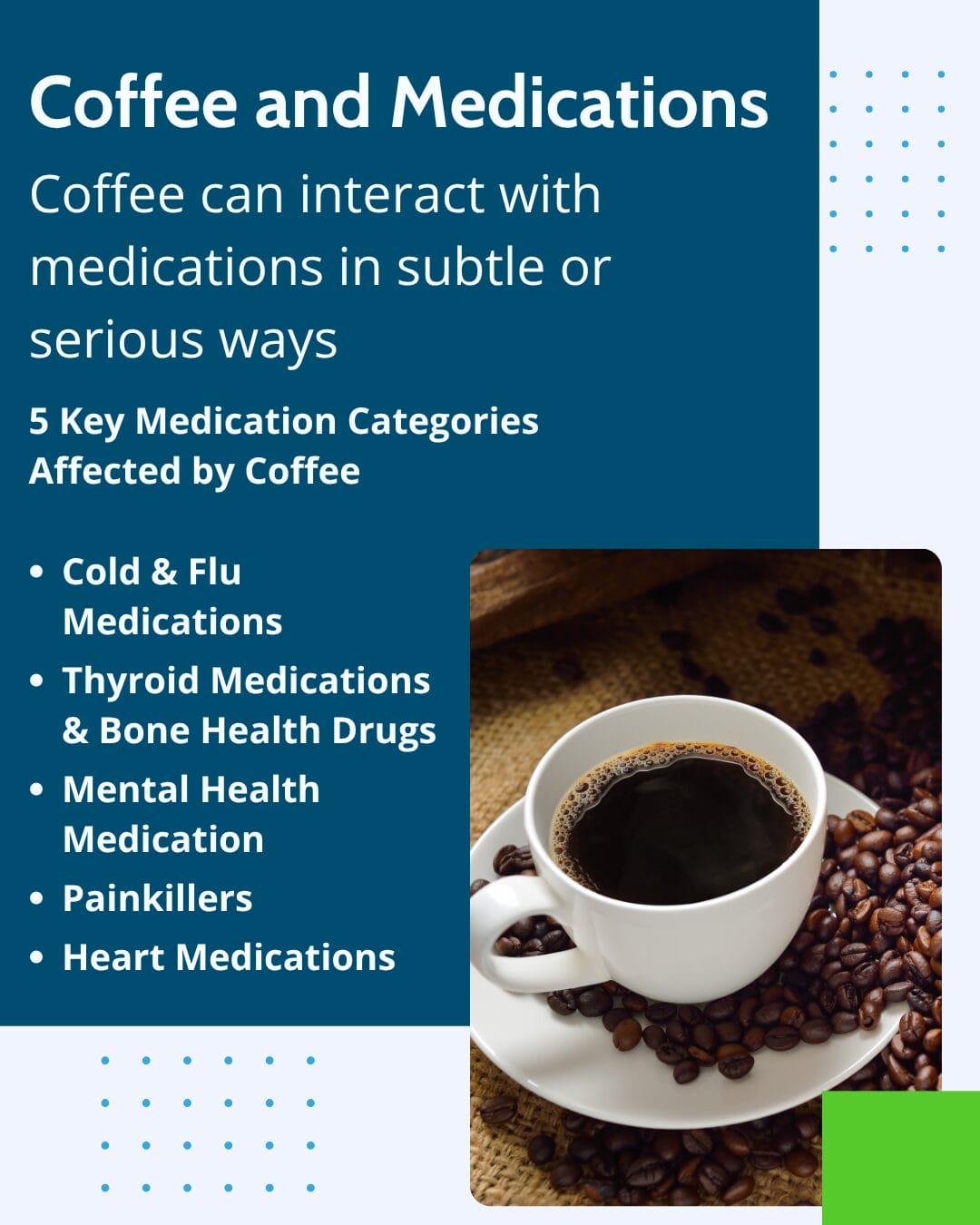
Coffee is one of the most widely consumed beverages in the world — and one of the most frequently studied. Over the past two decades, hundreds of large studies and meta-analyses have examined how coffee affects health, with many showing that moderate consumption is associated with meaningful benefits across multiple organ systems.
Three newer studies add important nuance to what we know about coffee and health — especially in the areas of cellular aging, liver disease, and atrial fibrillation (AF).
At Centrum Pharmacy, working closely with physicians through our integration with Orleans Family Health Clinic, we believe everyday health habits deserve careful, evidence-based interpretation. Our pharmacist team regularly helps patients translate emerging research into safe, personalized decisions as part of our Complete, Comprehensive, Caring, Connected Care (the 4 C’s) model.
Let’s review what the newest evidence suggests.
Coffee and Cellular Aging in Mental Health Populations
Telomeres are protective DNA caps at the ends of chromosomes. As we age — and as oxidative stress increases — telomeres naturally shorten. Shorter telomeres are associated with accelerated biological aging and increased disease risk.
A Norwegian cross-sectional study of 436 patients living with schizophrenia or affective disorders examined whether coffee intake affected telomere length.
Key Findings:
- An inverted J-shaped relationship was observed
- Greatest benefit at 3–4 cups per day
- Moderate coffee intake was associated with longer telomeres
- Estimated biological difference equal to about 5 years “younger” cellular age
- Associations remained after adjusting for smoking, age, and medications
This does not prove cause and effect, but it suggests that antioxidant-rich coffee may help counter some cellular aging mechanisms — especially in higher-risk mental health populations.
From a pharmacy care perspective, this is especially relevant because many psychiatric medications influence metabolic and oxidative pathways. Patients should always discuss caffeine intake with both their pharmacist and prescriber to avoid sleep disruption, anxiety exacerbation, or drug–caffeine interactions.
Coffee and Liver Health: Consistent Protective Signals
A recent review in Biochemical Pharmacology reinforced a strong and growing body of evidence showing that coffee consumption is associated with better liver outcomes across multiple disease categories.
Mechanistic and epidemiological data both point in the same direction.
Proposed Biological Effects:
- Reduced hepatic stellate cell activation (fibrosis pathway)
- Lower pro-inflammatory cytokine signaling
- Increased antioxidant pathway activity
- Improved insulin sensitivity
- Favorable effects on fatty liver processes
Key Findings from Large Analyses:
- Non-alcoholic fatty liver disease: lower fibrosis risk (RR 0.70) with ≥3 cups/day
- Chronic liver disease incidence: reduced in regular drinkers (HR 0.79)
- Liver-related mortality: substantially lower with 2–3 cups/day (HR 0.51)
- Lower average ALT, AST, and GGT levels among regular consumers
This is particularly important as fatty liver disease rates continue to rise in Canada due to metabolic risk factors.
At Centrum Pharmacy, our pharmacists frequently work with patients managing diabetes, metabolic syndrome, and medication-related liver concerns. Coffee intake should be reviewed in context — including sugar additives, specialty drinks, and sleep quality — not just cup count.
Coffee and Atrial Fibrillation Recurrence: New Trial Data
Many patients with atrial fibrillation are told to avoid caffeine due to concerns about triggering arrhythmias. However, newer controlled research challenges that blanket advice.
The DECAF trial followed 200 regular coffee drinkers after cardioversion for AF or atrial flutter. Participants were assigned to either caffeine abstinence or continued daily coffee intake.
Key Findings:
- AF/flutter recurrence:
- Coffee group: 47%
- Abstinence group: 64%
- Risk reduction: HR 0.61
- AF-related hospitalizations were lower in the coffee group
- No increase in adverse effects
Important limitation: this applies to regular coffee drinkers, not people who rarely consume caffeine.
Clinical takeaway: In patients already accustomed to moderate coffee intake, coffee does not appear to increase AF recurrence risk and may even be modestly protective.
Patients with heart rhythm disorders should not self-modify caffeine intake without clinical guidance. Our pharmacists collaborate with local physicians — supported by Centrum Pharmacy’s physician recruitment and clinic integration model — to ensure medication and lifestyle advice are aligned.
Practical Guidance for Patients
Current evidence supports that for most adults:
Moderate coffee intake (about 2–4 cups/day) is generally:
- Not harmful
- Often associated with benefit
- Best evaluated individually
However, coffee may need adjustment if a patient has:
- Sleep disorders
- Anxiety sensitivity
- Uncontrolled hypertension
- Medication interactions
- Pregnancy
- Specific cardiac triggers
This is where pharmacist-led counseling matters. Unlike generalized online advice, medication and lifestyle decisions should be personalized.Through our minor ailment and chronic care model, Centrum Pharmacy provides structured medication and lifestyle counseling — integrated with primary care — so patients receive coordinated, evidence-based guidance rather than fragmented retail advice.
Looking for a Family Doctor?
Check our get a doctor page to see if our waitlists are open and consider transferring your prescriptions to Centrum Pharmacy!
Come for the Convenience, Stay for the Service.
Caring for Your Family Since 1999
Disclaimer: The medical information on this site is provided as an information resource only and is not to be used or relied on for any diagnostic or treatment purposes. This information does not substitute for professional diagnosis and treatment. Please do not initiate, modify, or discontinue any treatment, medication, or supplement solely based on this information. Always seek the advice of your healthcare provider first. Full Disclaimer.